Managing a team today is very different from managing a team ten years ago. Work is remote, hybrid, flexible, and often spread across multiple tools and platforms. In this changing environment, businesses need clarity — not guesswork.
That’s why many organizations are searching for the best work monitoring software for employees.
But what makes a monitoring tool truly effective? And how can companies use it in a healthy, transparent way?
Let’s break it down in simple terms.
What Is Work Monitoring Software?
Work monitoring software is a system that helps companies track employee activity during working hours. It provides structured information about:
- Login and logout time
- Active working hours
- Idle time
- Application usage
- Website activity
- Task duration
Instead of relying on assumptions, managers can see real data. This helps in better planning, fair evaluation, and improved workflow management.
Why Companies Need the Best Work Monitoring Software for Employees
Businesses face common challenges:
- Remote teams with limited visibility
- Delayed projects without clear reasons
- Unbalanced workloads
- Low accountability
- No proper data for performance reviews
The best work monitoring software for employees solves these problems by turning daily activity into measurable insights.
It allows managers to identify gaps without constant follow-ups or unnecessary meetings.
Key Features to Look For
Not all tools are the same. If you’re searching for the best work monitoring software for employees, look for these essential features:
Real-Time Activity Tracking
A clear dashboard showing active time, idle time, and total working hours helps managers understand daily productivity patterns.
Application and Website Monitoring
Understanding which tools employees use during work hours helps identify productive and non-productive time usage.
Detailed Reports
Weekly and monthly summaries help HR and leadership teams analyze trends and make informed decisions.
Idle Time Detection
Idle time is normal, but excessive idle hours may indicate workflow issues or unclear task allocation.
Easy Integration
The system should be simple to install and easy for both managers and employees to use.
Benefits for Employers
Using the best work monitoring software for employees helps organizations:
- Improve project timelines
- Increase accountability
- Reduce operational waste
- Identify system inefficiencies
- Make data-based decisions
It also helps leadership understand team performance without micromanaging.
Benefits for Employees
Monitoring software is not just for management.
Employees benefit when:
- Workload is distributed fairly
- Overtime is visible
- Performance is measured transparently
- Efforts are documented clearly
- Recognition is based on real numbers
When used ethically, monitoring creates clarity — not pressure.
How to Introduce Monitoring Software the Right Way
Implementation matters.
Here’s how companies should introduce it:
- Be transparent about tracking policies
- Explain the purpose clearly
- Focus on workflow improvement
- Avoid using it for blame
- Share performance reports openly
Trust is built through communication.
Choosing the Right Solution
There are many tools available in the market, but the right choice depends on your business size, industry, and team structure.
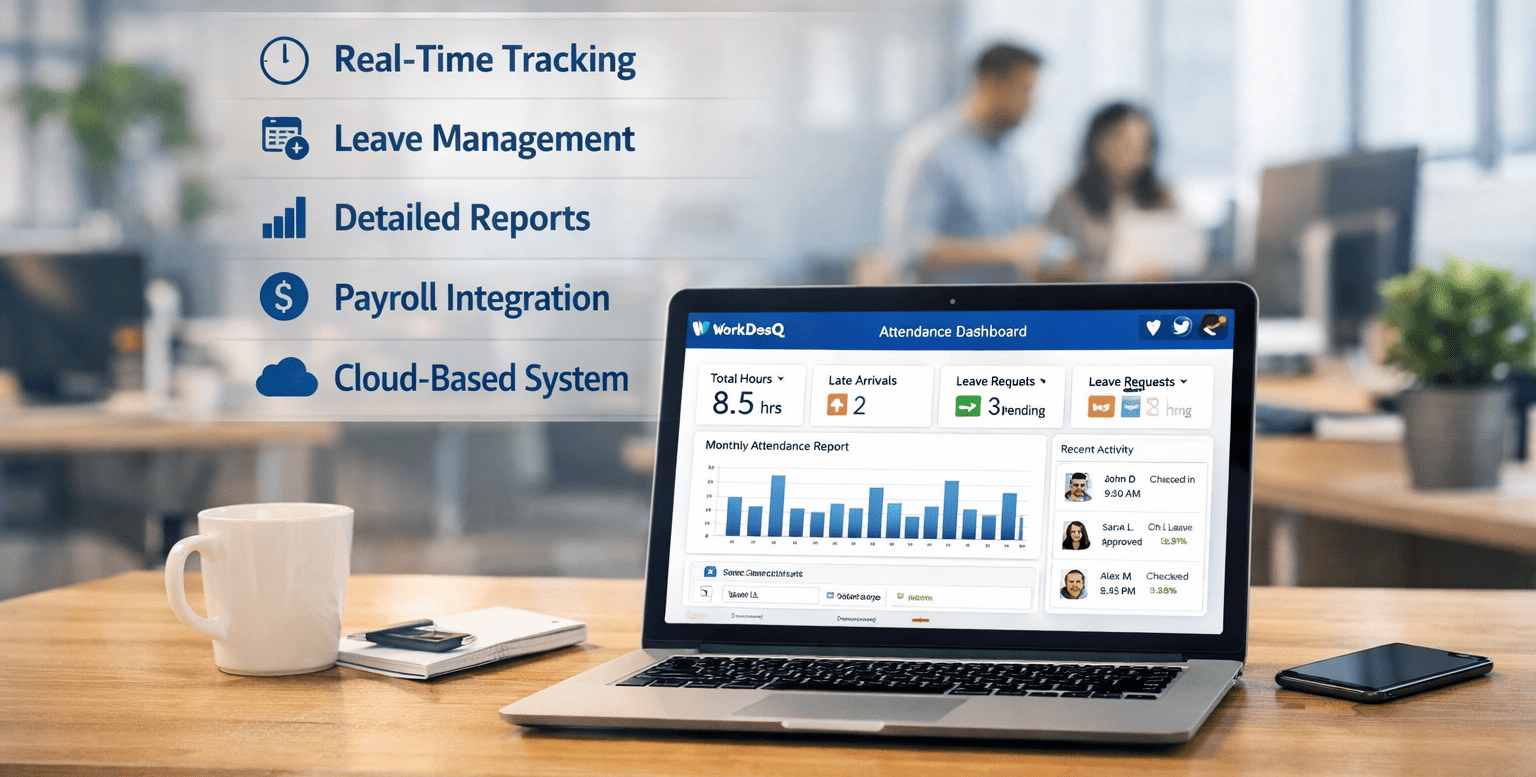
For organizations looking for structured reporting, clear dashboards, and practical workforce insights, WorkDesQ provides a simple and effective solution for tracking employee productivity without unnecessary complexity.
Its reporting system helps managers understand where time is being used and where improvements are needed.
Common Mistakes to Avoid
When selecting the best work monitoring software for employees, avoid:
- Choosing overly complicated systems
- Ignoring employee privacy concerns
- Tracking without clear policies
- Focusing only on screen time instead of outcomes
Monitoring should improve systems, not create fear.
Final Thoughts
In a competitive business environment, clarity is powerful.
The best work monitoring software for employees is the one that:
- Provides accurate data
- Supports better decision-making
- Improves workflow efficiency
- Encourages accountability
- Maintains workplace transparency
When implemented properly, it becomes a growth tool.
Many growing teams rely on structured monitoring platforms like WorkDesQ to create balanced productivity systems that support both business goals and employee well-being.